
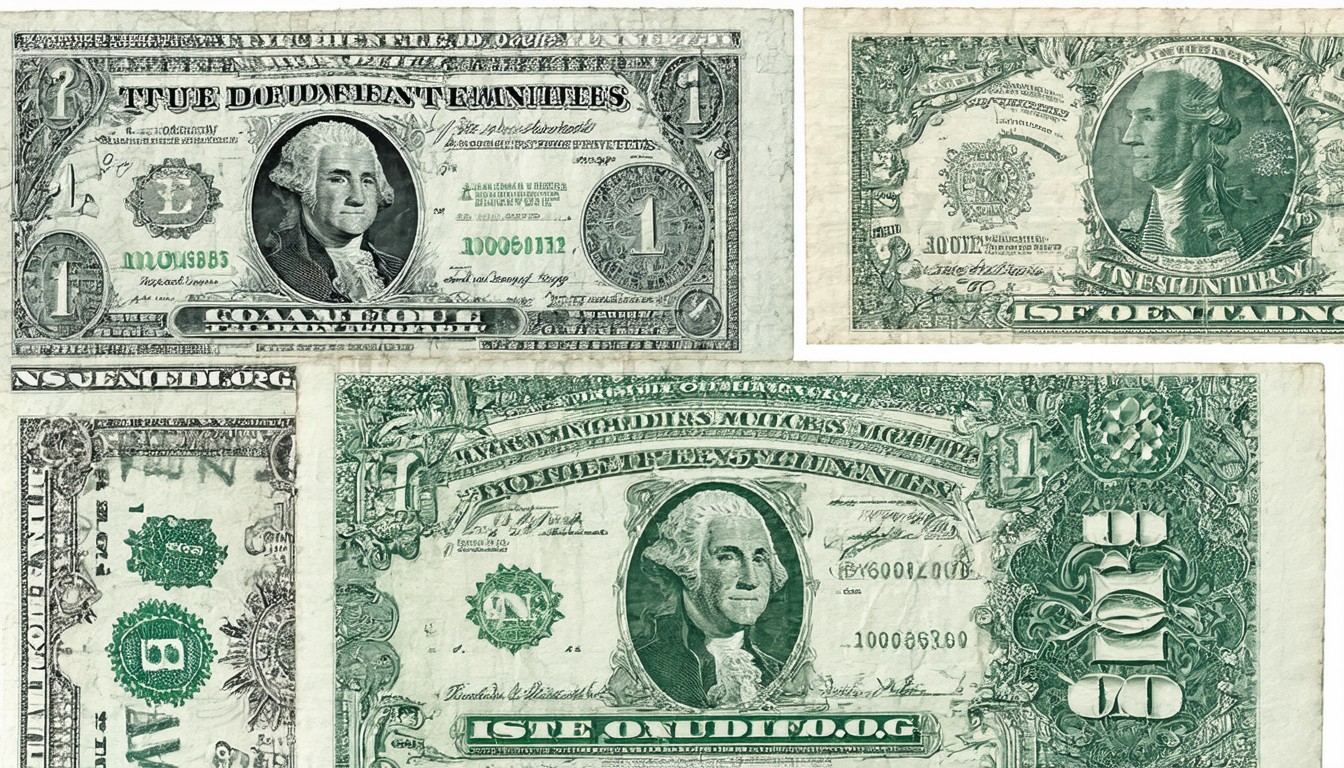

The notion of money, once tethered to tangible gold and printed notes, has undergone profound transformation in an age of digital economies, cryptocurrencies, and algorithmic trading. Yet even as money’s form evolves, a deeper question persists: how do we actually assess its true value? On the website money disquantified .org, scholars, economists, and thought-leaders come together to question and deconstruct conventional wisdom about what we assign as “value” in modern economics. This exploration extends beyond price tags and interest rates, probing the many layers—social, psychological, and ethical—that undergird our financial systems.
The Evolution of Money: From Barter to Blockchain
Historical Perspectives on Value Exchange
Money’s history is deeply woven into the story of human civilization. Barter economies depended on mutual need, creating friction in trade due to a lack of common value denominations. The invention of coinage around the 7th century BCE marked a turning point, facilitating trust and scale in economic transactions. Fast forward to the 21st century, paper currency and metal coins have been increasingly supplanted by credit, digital payments, and decentralized tokens—reshaping how individuals and institutions perceive and utilize value.
The Digital Revolution and Intangible Currencies
The proliferation of financial technology has challenged the boundaries of what constitutes “money.” Today, cryptocurrencies like Bitcoin illustrate a near-complete shift from physical assets to shared belief systems governed by mathematical consensus. For example, while Bitcoin’s real-world utility as a currency remains limited, it commands immense value in global markets through collective trust and scarcity.
This digitization of money not only accelerates transactional speed but also raises pressing questions about what underpins financial trust. On platforms like money disquantified .org, experts dissect how confidence and regulation, not just material backing, increasingly define economic value.
Deconstructing Monetary Value: Beyond Numbers
The Social and Psychological Dimensions
Economic value is, at its core, a social construct. While it appears objective—easily measured in units and graphs—value is fundamentally shaped by perception, expectation, and cultural forces. Several studies reveal that perception can override rational calculation; consumers routinely value branded goods above similar generics despite negligible functional differences. This “perceived value” often becomes a more powerful market driver than actual utility or scarcity.
As Dr. Lila Ahmed, a behavioral economist featured on money disquantified .org, puts it:
“Money, stripped of social context, is just a medium. Its power and promise come from the collective stories we tell about what it represents and enables.”
The Ethics of Scarcity and Abundance
Another aspect explored on money disquantified .org is the ethical dimension of value assignment. Modern economics, premised on the scarcity of resources, often overlooks the real-world impacts of artificial shortages or price manipulation. Instances like the 2008 financial crisis, in which the derivate market’s abstraction of value led to systemic breakdown, highlight the dangers of detaching economic metrics from real societal needs.
Conversely, abundance—such as that enabled by digital goods or open-source software—questions the necessity of market-driven scarcity altogether. Can a sustainable economy thrive when information and innovation are virtually limitless?
Money, Power, and Inequality
Global Wealth Distribution: Insights and Realities
A recurring theme on money disquantified .org is the persistent concentration of wealth and power. Despite era-defining innovations, global inequality remains pronounced. According to estimates from organizations like Oxfam and the World Inequality Lab, a small share of individuals and corporations control a significant proportion of global assets. The wealth gap is exacerbated by financial mechanisms—tax havens, capital gains advantages, and inherited assets—that reinforce rather than diminish inequality.
Systemic Barriers and Opportunities
Money’s influence extends beyond wealth—it shapes opportunities through education, healthcare, and access to markets. Critics highlight how “quantified” economic metrics can obscure complex lived experiences, reducing well-being to GDP or stock indexes. However, various grassroots movements and alternative economic models, like time banking or local currencies, have emerged to reimagine value in ways that prioritize community and sustainability.
The Future of Money and Economics: Disquantifying the System
Toward New Metrics of Value
Modern challenges—from climate change to artificial intelligence—demand a broader recalibration of what society values. Traditional economic indicators often neglect ecological preservation or social well-being. Platforms such as money disquantified .org are at the forefront of advocating for metrics such as the Genuine Progress Indicator (GPI) or the Social Progress Index, which more holistically account for long-term prosperity.
The Role of Technology in Democratizing Finance
Fintech innovations hold significant promise for financial inclusion, lowering barriers for underbanked populations worldwide. Mobile banking, blockchain frameworks, and peer-to-peer lending have begun to level the playing field. However, with new opportunities come new risks—privacy concerns, algorithmic bias, and volatility among them. Money disquantified .org promotes ongoing research and dialogue to ensure these technologies are harnessed for broadly shared benefit, not just profit maximization.
“Reimagining money isn’t just an economic exercise; it’s a societal imperative. The systems we design now will shape equity, opportunity, and trust for generations to come.”
— Dr. Alejandro Ruiz, monetary theorist
Conclusion: Recalibrating Our Relationship with Money
Understanding money as more than mere numbers unlocks the potential for a more just and sustainable economy. By interrogating foundational assumptions and integrating ethical, technological, and societal dimensions, voices on money disquantified .org illuminate paths to align value with actual human progress. Moving forward, policymakers, businesses, and ordinary citizens alike must embrace a broader framework for defining, measuring, and distributing value. Only through a holistic and informed approach can the true promise of economics be realized.
FAQs
What is the focus of money disquantified .org?
money disquantified .org is a digital platform dedicated to exploring the underlying value systems of money and economics, aiming to reveal how financial structures influence society, ethics, and opportunity.
How does the site differentiate from traditional financial education resources?
Unlike conventional resources that emphasize financial mechanics, money disquantified .org critically examines the social, psychological, and ethical foundations of economic value, promoting interdisciplinary exploration and debate.
Why is the “true value” of money such a debated topic?
Monetary value is shaped by cultural, technological, and market forces, rather than fixed absolutes. This ongoing evolution invites continual reassessment, especially as new forms of money and value exchange emerge.
Can new technologies genuinely increase financial equity?
While fintech and blockchain tools can expand access and transparency, they also introduce challenges like data security and systemic bias. Whether technology delivers on financial equity depends on thoughtful implementation and policy safeguards.
How can individuals participate in reshaping value systems?
Individuals can support alternative economic models, advocate for policy changes, and engage in public discourse on platforms like money disquantified .org to promote systems that align monetary value with broad social good.