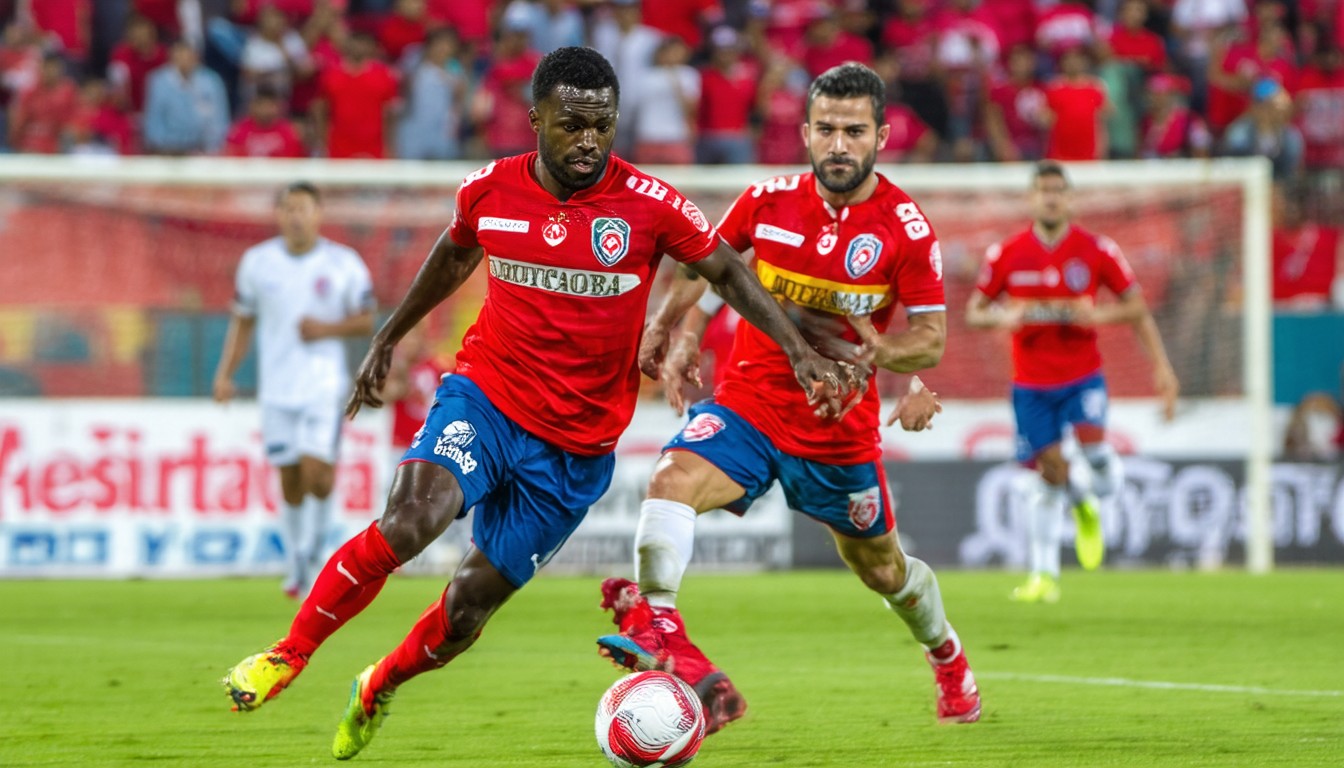

Few matchups in Mexican football generate as much passion as Deportivo Toluca F.C. vs Club América. This storied rivalry, rooted in both sporting achievement and regional pride, consistently delivers high-stakes drama in Liga MX. Over decades, Toluca and América have met in league matches, exhilarating playoffs, and unforgettable finals—each chapter leaving its distinct mark on Mexican football’s rich timeline.
Understanding the historical context of this rivalry and its match highlights helps explain why fans, pundits, and even neutral viewers are captivated every time these giants collide. Beyond simply counting trophies or statistics, the Toluca vs América timeline tells a story of shifting dominance, individual brilliance, and iconic moments that have shaped the identity of both clubs.
Early Encounters: Foundations of a Rivalry
The rivalry traces its roots to the post-war expansion of Mexican professional football, as both teams established themselves as fierce competitors in the mid-20th century. In the 1950s and 60s, Club América’s metropolitan glamour often clashed with Toluca’s growing ambitions, leading to tense league encounters.
Key Developments in the 1970s and 80s
By the 1970s, matches between Toluca and América frequently affected Liga MX’s title races. América, with its growing list of international stars and financial might, faced Toluca squads eager to prove their mettle. Many fans point to the late 1980s as the era when the rivalry truly intensified, as both clubs vied for playoff positions and silverware.
“Whenever América faces Toluca, it’s more than just a game—it’s a battle shaped by history, pride, and the desire to define an era,” observes renowned Mexican football historian Enrique González.
Timeline Milestones: Memorable Matches and Turning Points
1998 Verano Final: Toluca’s Breakthrough
One of the rivalry’s defining moments arrived in the 1998 Verano tournament. Toluca, fighting to shed its “nearly there” reputation, faced América in the semifinals—a matchup punctuated by dramatic goals and tactical chess. With a stunning aggregate victory, Toluca advanced, eventually winning its first major championship of the modern era. The triumph established Toluca as a force in Liga MX and elevated the rivalry’s significance.
The 2002 Apertura Semifinals: América’s Revenge
The tables turned just four years later. In the 2002 Apertura, América eliminated Toluca in the semifinals amidst controversy and high-scoring drama. That encounter remains memorable for late goals, contentious refereeing decisions, and the eruption of emotion from both sets of fans. América’s progression was a precursor to their title win that season, reinforcing the evenly-matched nature of these clashes.
Recent Classics: 21st-Century Showdowns
Throughout the 2010s and into the 2020s, Toluca and Club América have delivered further memorable chapters:
- 2012 Clausura Playoffs: América overturned a first-leg deficit to progress, with standout performances from seasoned players.
- 2018 Apertura: Toluca handed América a rare defeat at Estadio Azteca, showcasing tactical discipline against a favored squad.
- 2022 Playoff Encounter: In a sensational semifinal battle, Toluca shocked América with a resilient performance, reaching the Liga MX final after a nail-biting aggregate win.
Tactical Trends: How Each Era Shaped The Matchup
Contrasting Styles: Pragmatism vs Panache
Toluca and América have often reflected contrasting tactical philosophies. Historically, América’s recruitment of international stars fueled an attacking, possession-based style, while Toluca relied on tactical discipline, homegrown talent, and effective counterattacks.
Managers Who Defined Eras
The influence of managerial minds has shaped this fixture’s dynamics. Coaches like Enrique Meza (Toluca) and Miguel Herrera (América) brought innovations—from high-pressing schemes to fluid midfield rotations—altering how each club approached head-to-head encounters.
Analysis: The Psychological Edge
Apart from strategy, the psychological stakes can be immense. América’s status as a perennial “giant” brings pressure, while Toluca’s underdog identity often fuels determined performances, especially at their intimidating Estadio Nemesio Díez.
Data Snapshot: Head-to-Head Records and Notable Stats
While the exact all-time balance fluctuates season-to-season, the two clubs are separated by a relatively small margin in terms of official wins across league and playoff matches.
- Match Count: These sides have met dozens of times in Liga MX and the Liguilla, with América holding a marginal advantage in overall victories.
- Scoring Trends: América’s attacking prowess often produces high-scoring affairs, but Toluca has achieved several shutouts—especially at their home ground.
- Individual Milestones: Iconic players like José Cardozo (Toluca) and Cuauhtémoc Blanco (América) have scored unforgettable goals in these clashes, etching their names into rivalry lore.
Such statistics represent more than numbers—they underscore how competitive and unpredictable the “Deportivo Toluca F.C. vs Club América timeline” has remained over generations.
The Fans: Culture, Atmosphere, and National Impact
Inside the Stadiums: Atmosphere and Anticipation
Matchdays between Toluca and América provide electric atmospheres inside both the Estadio Azteca and Nemesio Díez. Tifos, choreographed chants, and vibrant displays turn these encounters into authentic football spectacles.
Influence Beyond the Pitch
The rivalry doesn’t just affect fans in Toluca or Mexico City. Broadcasts consistently draw millions of viewers across Mexico, the United States, and beyond. For many, the Toluca-América narrative is a microcosm of Liga MX’s broader competitiveness and tradition.
Conclusion: The Evolving Legacy of Toluca vs América
The timeline of Deportivo Toluca F.C. vs Club América is more than a sequence of matches; it is a living story of ambition, resilience, and shared history. Memorable finals, tactical battles, and iconic individual performances have defined this rivalry for generations. With both clubs committed to ongoing success and hungry fanbases behind them, each new meeting promises another thrilling chapter.
For journalists, analysts, and fans alike, tracking the evolution of this matchup is essential to appreciating the heart of Mexican football. As new stars emerge and strategies evolve, the Toluca-América rivalry remains one of Liga MX’s defining features—guaranteed to offer more unforgettable moments in the years ahead.
FAQs
What is the historical significance of the Toluca vs Club América rivalry?
This rivalry highlights two decorated Mexican teams whose meetings often carry league or playoff implications, making their encounters especially influential on Liga MX history.
Who are some legendary players associated with this fixture?
José Cardozo and Sinha (Toluca), along with Cuauhtémoc Blanco and Guillermo Ochoa (América), have delivered standout performances and iconic goals in these matches.
Which match between Toluca and América is considered the most memorable?
The 1998 Verano semifinal is widely regarded as a turning point, marking Toluca’s emergence as an elite Mexican club after a decisive victory over América.
How often do Toluca and América play each other each season?
They typically face off at least twice in regular Liga MX play, with additional meetings possible during playoff stages or cup competitions.
Where are Toluca vs Club América matches usually held?
These games alternate between Toluca’s Estadio Nemesio Díez and América’s Estadio Azteca, both of which boast intense atmospheres and passionate support.
What makes this rivalry unique compared to others in Liga MX?
The combination of regional pride, historical parity, and the frequent impact on championship races distinguishes it as one of the league’s most compelling and evenly contested rivalries.