Best Crypto Exchanges for Beginners USA – Trusted & Secure


Choosing the right cryptocurrency exchange is the first and most critical step for anyone entering the crypto market in the United States. With over 400 trading platforms competing for American users, beginners face a overwhelming selection process that can lead to costly mistakes. The best crypto exchanges for beginners in the USA combine intuitive interfaces, strong security measures, regulatory compliance, and accessible customer support—without charging excessive fees that eat into small investment portfolios.
This guide examines the top platforms specifically designed for new cryptocurrency investors, analyzing what makes each suitable for different experience levels and investment goals.
Understanding What Makes an Exchange Beginner-Friendly
Before examining specific platforms, it’s essential to understand the criteria that define a truly beginner-friendly cryptocurrency exchange. The Securities and Exchange Commission (SEC) reported that crypto-related investment scams victimized over 46,000 Americans in 2023 alone, resulting in losses exceeding $1.6 billion. This alarming statistic underscores why selecting a reputable, regulated exchange matters enormously for newcomers.
Key Features Beginners Should Prioritize:
| Feature | Why It Matters | What to Look For |
|---|---|---|
| User Interface | Complex dashboards frustrate new users | Clean design, clear navigation, mobile app quality |
| Security | Protects your investment from theft | Two-factor authentication, cold storage, insurance coverage |
| Verification Process | KYC requirements vary widely | Speed of account approval, documentation needed |
| Educational Resources | Helps beginners learn while earning | Built-in tutorials, crypto rewards for learning |
| Customer Support | Critical when issues arise | Live chat availability, response time, quality of help |
| Fee Structure | Affects overall returns | Spread fees, withdrawal fees, trading commissions |
The Financial Industry Regulatory Authority (FINRA) recommends that beginners start with exchanges that offer demo accounts or paper trading features, allowing users to practice strategies without risking real capital. Unfortunately, few U.S.-regulated exchanges currently provide this feature, making other criteria equally important.
Coinbase – The Gold Standard for First-Time Crypto Investors
Coinbase stands as the most recommended exchange for beginners in the United States, and for compelling reasons. Founded in 2012 and headquartered in San Francisco, Coinbase (NASDAQ: COIN) went public in April 2021, becoming the first major cryptocurrency exchange to IPO in the U.S. This public listing brings an additional layer of transparency and regulatory oversight that beginners should find reassuring.
Platform Overview:
The Coinbase user interface represents the gold standard for accessibility. New users can create an account and purchase their first cryptocurrency in under ten minutes—a process that some competitors make frustratingly complicated. The platform supports over 250 cryptocurrencies, giving beginners ample options for portfolio diversification without requiring multiple accounts.
The exchange operates under extensive regulatory frameworks, holding money transmitter licenses in most U.S. states. Coinbase stores 98% of customer assets in cold storage (offline wallets), with the remaining 2% protected by insurance against theft or cybersecurity breaches.
Fee Structure Analysis:
| Transaction Type | Coinbase Fee | Notes |
|---|---|---|
| Purchases under $25 | $0.99-$1.99 | Flat fee |
| Purchases $25-$100 | $2.99 | Flat fee |
| Purchases over $100 | 1.49% | Percentage-based |
| Coinbase Advanced Trade | 0.40%-0.60% | Lower fees for larger trades |
| USD conversions | 0.5%-1.0% | Built into spread |
While Coinbase fees rank higher than some competitors, beginners often benefit from the price certainty and simplicity. Hidden fees in complex platforms frequently exceed Coinbase’s transparent pricing.
Unique Beginner Features:
Coinbase offers “Coinbase Earn,” an educational program that rewards users with cryptocurrency for watching videos and completing quizzes about various blockchain projects. This feature allows beginners to earn small amounts of crypto while genuinely learning about the technology—an invaluable starting point for those unfamiliar with blockchain fundamentals.
The platform’s “Recurring Buys” feature enables dollar-cost averaging, where users automatically purchase a set dollar amount weekly or monthly. This strategy significantly reduces the emotional stress of timing the market, a common pitfall for enthusiastic beginners.
Robinhood – Commission-Free Simplicity with Limitations
Robinhood (NASDAQ: HOOD) revolutionized commission-free stock trading and extended that model to cryptocurrency in 2018. For absolute beginners who want to experiment with small amounts of crypto without paying trading commissions, Robinhood presents an attractive option—but significant limitations exist that experienced investors quickly recognize.
Why Beginners Choose Robinhood:
The platform’s primary appeal lies in its simplicity. There are no explicit trading fees, and the interface will feel familiar to anyone who has used the company’s stock trading app. Beginners can toggle between stocks, options, and cryptocurrency within a single, cohesive dashboard.
However, Robinhood operates differently from traditional crypto exchanges in a critical way: users do not actually own their cryptocurrency. Instead, they hold derivative positions that mirror crypto prices. This structure means users cannot transfer their crypto to external wallets or spend it using crypto-native applications—a significant limitation for those wanting true cryptocurrency ownership.
Security and Regulation:
Robinhood is a member of SIPC (Securities Investor Protection Corporation) and carries excess SIPC coverage. However, the platform has faced regulatory scrutiny. The SEC charged Robinhood with securities violations in June 2023, resulting in a $65 million fine. While this doesn’t directly impact cryptocurrency holdings, it demonstrates that regulatory compliance requires ongoing vigilance.
Fee Structure:
| Fee Type | Robinhood Cost |
|---|---|
| Trading Commission | $0 |
| Crypto Spread | 0.75%-2.5% |
| Transfer Out | $0 (but limited) |
| Inactivity | $0 |
The hidden spread represents Robinhood’s revenue from crypto trades. For larger transactions, this can exceed the fees charged by traditional exchanges. Beginners trading $1,000 or more monthly may find better economics elsewhere.
Best Suited For:
Robinhood works best for complete beginners who want exposure to cryptocurrency prices without understanding wallets, transfers, or blockchain technology. Those serious about cryptocurrency as an asset class should view Robinhood as a temporary stepping stone rather than a long-term solution.
Kraken – Security-Focused Trading for Growing Investors
Kraken, founded in 2011, has survived multiple market cycles to become one of the most trusted cryptocurrency exchanges globally. While its interface is slightly more complex than Coinbase, Kraken offers superior security, lower fees, and advanced features that beginners can grow into over time.
Security Credentials:
Kraken maintains an impressive security record, with no major hacks affecting user funds since its founding. The exchange employs the following security measures:
- 95% of deposits held in cold storage
- Global ensemble custody system requiring multiple keys
- PGP encrypted email communication
- Two-factor authentication via TOTP or hardware keys
- Proof of Reserves audits showing full backing of user deposits
For beginners concerned about security—a reasonable concern given the industry’s history—Kraken’s track record provides significant peace of mind.
Fee Structure Comparison:
| Trading Volume (30-day) | Maker Fee | Taker Fee |
|---|---|---|
| $0-$50,000 | 0.16% | 0.26% |
| $50,001-$100,000 | 0.14% | 0.24% |
| $100,001-$250,000 | 0.12% | 0.22% |
| $250,001-$500,000 | 0.10% | 0.20% |
| $500,001+ | 0.00%-0.08% | 0.10%-0.16% |
Kraken’s fee structure rewards consistent trading, offering among the lowest rates in the industry. Beginners starting with smaller volumes still benefit from competitive pricing compared to Coinbase.
Unique Features:
Kraken offers “Kraken Learn” educational content and occasional staking rewards that allow users to earn returns on their holdings. The platform also supports more advanced order types as users become comfortable with basic trading—stop-loss orders, limit orders, and margin trading (for qualified users).
Gemini – Regulated Excellence from New York
Gemini, founded in 2014 by the Winklevoss twins, operates under strict New York BitLicense regulations—arguably the most rigorous cryptocurrency regulatory framework in the United States. This compliance makes Gemini particularly attractive for beginners who prioritize legal protection and institutional-grade security.
Regulatory Advantages:
As a New York-domiciled company, Gemini must comply with the New York BitLicense program, which requires extensive security, capital, and operational requirements. The exchange also holds SOC 1 Type 2 and SOC 2 Type 2 certifications, demonstrating adherence to financial industry control standards.
Fee Structure:
| Transaction Type | Gemini Fee |
|---|---|
| Market Orders | 0.35% (under $10M monthly) |
| Limit Orders | 0.25% (under $10M monthly) |
| Convenience Fee | 0.25% (for simpler execution) |
| ACH Transfers | Free |
| Wire Transfers | Free |
Gemini’s fee structure is competitive, though the “convenience fee” for certain order types can add up for frequent traders. The free ACH and wire transfers represent significant savings compared to competitors that charge $10-$25 per withdrawal.
Educational Initiative:
Gemini’s “Crypto 101” educational content competes with Coinbase’s offerings, providing structured learning paths for beginners. The platform also offers Earn programs, though these have faced regulatory challenges that potential users should investigate.
Binance.US – Low-Cost Trading with Limited Features
Binance.US represents the American arm of the world’s largest cryptocurrency exchange by trading volume. The platform offers remarkably low fees and extensive cryptocurrency selection, though it operates with reduced functionality compared to its international parent company.
Fee Advantages:
Binance.US consistently offers the lowest fees among major U.S. exchanges:
| Fee Type | Binance.US Rate |
|---|---|
| Standard Trading | 0.10% |
| BNB Token Discount | 0.075% (with BNB holdings) |
| ACH Withdrawal | Free |
| Wire Withdrawal | $10 |
These rates significantly undercut competitors, making Binance.US attractive for cost-conscious beginners planning substantial trading activity.
Limitations:
Due to regulatory restrictions, Binance.US offers fewer cryptocurrencies than international Binance and operates with reduced maximum withdrawal limits. The platform has faced SEC scrutiny, with the commission filing a lawsuit in 2023 alleging securities violations. While the case continues, this regulatory uncertainty represents a meaningful consideration for new users.
How to Choose Your First Exchange
Selecting the best crypto exchange depends on your specific situation, goals, and risk tolerance. Consider this decision framework:
Choose Coinbase if:
– You want the simplest possible user experience
– You prioritize regulatory compliance and company transparency
– You’re willing to pay slightly higher fees for convenience
– You want access to educational content while earning crypto
Choose Kraken if:
– Security is your primary concern
– You plan to increase trading volume over time
– You want access to advanced features as you learn
– You value competitive fee structures
Choose Robinhood if:
– You only want price exposure, not actual crypto ownership
– You’re already comfortable with the Robinhood stock app
– You plan to invest very small amounts initially
– You might want to exit crypto quickly
Choose Gemini if:
– You prioritize New York regulatory compliance
– You want to avoid withdrawal fees
– You’re particularly concerned about security certifications
– You want institutional-grade infrastructure
Choose Binance.US if:
– You prioritize lowest possible fees
– You want access to a wide variety of altcoins
– You’re comfortable with regulatory uncertainty
– You plan significant trading volume
Opening Your Account: A Step-by-Step Guide
Once you’ve selected your exchange, the account creation process typically follows similar steps across platforms:
Step 1: Provide Basic Information
You’ll need to enter your name, email address, date of birth, and phone number. This information is required for Know Your Customer (KYC) compliance under U.S. law.
Step 2: Verify Your Identity
Upload a government-issued ID (driver’s license or passport). Most exchanges now use automated verification systems that approve accounts within minutes, though some require manual review taking 24-72 hours.
Step 3: Link a Payment Method
Connect your bank account via ACH (preferred for lower fees) or debit card (faster but more expensive). Wire transfers work for larger initial deposits but carry processing fees.
Step 4: Enable Security Features
Activate two-factor authentication immediately. Consider using a hardware security key for maximum protection if the platform supports it.
Start Small with Dollar-Cost Averaging
Rather than timing the market, set up recurring purchases of $10-$50 weekly or monthly. This strategy, endorsed by financial advisors across traditional markets, smooths out volatility and removes emotional decision-making.
Common Mistakes Beginners Should Avoid
Mistake #1: Storing Crypto on Exchanges Long-Term
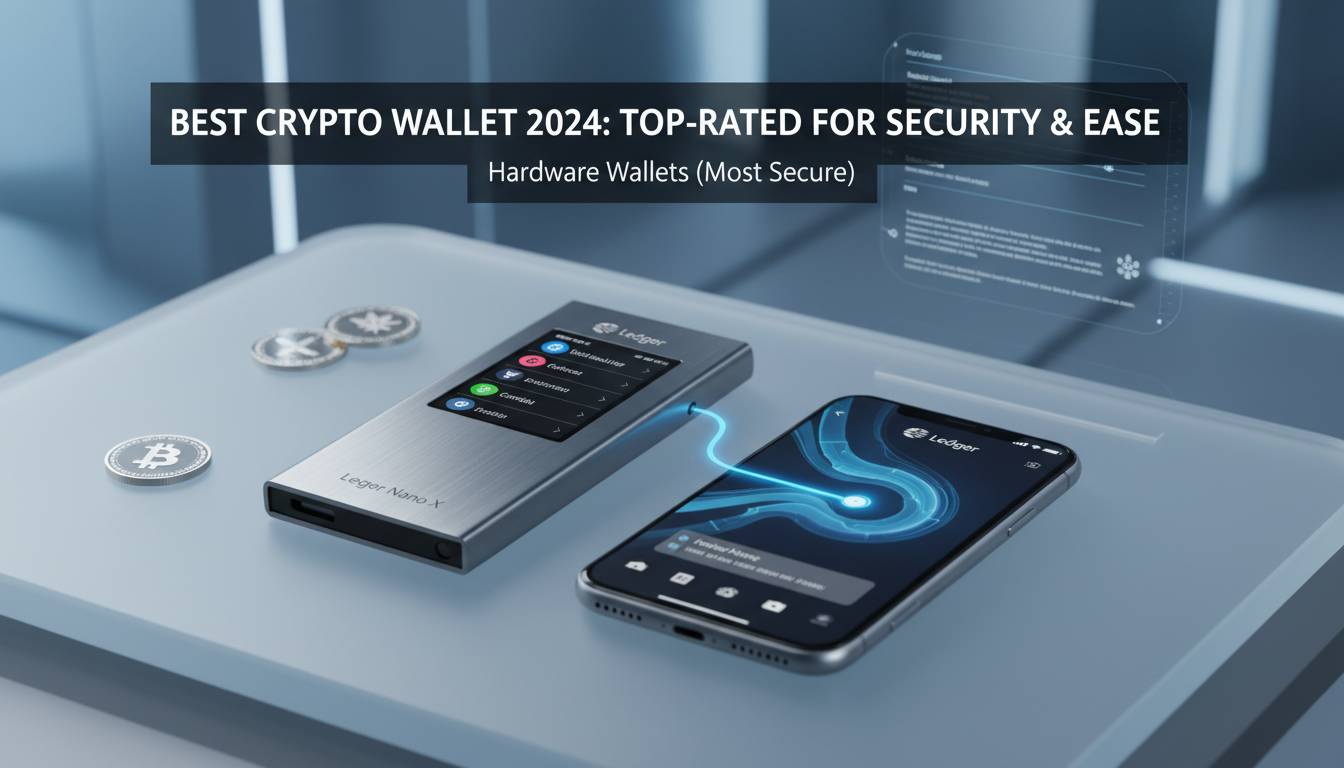
Exchanges are designed for trading, not storage. Once your investment exceeds amounts you’re comfortable losing, transfer holdings to a personal wallet—preferably a hardware wallet for significant amounts.
Mistake #2: Ignoring Fee Structures
A 2% fee might seem negligible on $100 trades but becomes substantial at scale. Calculate your expected annual trading volume and compare total costs across platforms.
Mistake #3: Chasing Pump-and-Dump Schemes
Beginners frequently fall victim to social media hype cycles promoting obscure coins. The cryptocurrency market’s lack of regulation means pump-and-dump schemes remain prevalent. Stick to established cryptocurrencies (Bitcoin, Ethereum) until you develop sophisticated analysis skills.
Mistake #4: Ignoring Tax Implications
The IRS treats cryptocurrency as property, meaning capital gains taxes apply to profitable sales. Maintain detailed records of all transactions, or use tax-focused software specifically designed for crypto.
The Future of Crypto Regulation and What It Means for Beginners
The regulatory landscape for cryptocurrency in the United States continues evolving rapidly. Multiple federal agencies—including the SEC, CFTC, and Treasury Department—assert varying degrees of oversight, creating a complex compliance environment that affects which exchanges can operate and how.
President Biden’s executive order on cryptocurrency in March 2022 signaled increased federal attention, though comprehensive legislation remains pending as of 2024. Several congressional proposals aim to clarify regulatory boundaries, with outcomes potentially affecting exchange availability, required disclosures, and investor protections.
For beginners, this regulatory uncertainty reinforces the importance of choosing established, compliant platforms. While newer exchanges may offer attractive features or lower fees, the collapse of FTX in late 2022 demonstrated the risks of entrusting funds to less scrutinized platforms.
Frequently Asked Questions
Which crypto exchange is easiest for beginners in the USA?
Coinbase offers the easiest user experience for complete beginners in the United States. Its intuitive interface allows new users to purchase cryptocurrency within minutes, while extensive educational resources help users learn as they invest. The platform’s regulatory compliance and insurance coverage provide security that newcomers need.
How much money do I need to start trading crypto?
You can start investing in cryptocurrency with as little as $1 on most exchanges. Coinbase allows purchases starting at $2, while Robinhood has no minimum investment. However, most experts recommend starting with an amount you’re comfortable losing entirely, as cryptocurrency remains highly volatile.
Are US crypto exchanges safe from hacking?
No exchange can guarantee complete safety, but reputable US exchanges implement industry-leading security measures. Kraken has never been successfully hacked, while Coinbase insures digital assets against theft. Using hardware wallets for significant holdings and enabling two-factor authentication significantly reduces risk.
Do I have to pay taxes on crypto gains in the USA?
Yes, the IRS treats cryptocurrency as property, and capital gains taxes apply when you sell crypto for a profit. Short-term gains (assets held less than one year) are taxed at ordinary income rates, while long-term gains receive preferential treatment. Exchanges may issue 1099 forms for tax reporting.
Can I transfer crypto between exchanges?
Yes, you can transfer cryptocurrency between exchanges by using the receiving exchange’s deposit address. Ensure both exchanges support the specific cryptocurrency, double-check the address format (sending Bitcoin to an Ethereum address typically results in permanent loss), and consider testing with a small amount first.
What’s the difference between a crypto exchange and a wallet?
Exchanges allow you to buy, sell, and trade cryptocurrency while holding your funds in accounts controlled by the platform. Wallets provide you with sole control over your private keys, enabling direct blockchain transactions. For beginners, exchange accounts offer convenience, while wallets provide greater security and autonomy.
Conclusion
Entering cryptocurrency through a reputable, beginner-friendly exchange represents a significant first step toward building a digital asset portfolio. Coinbase remains the top recommendation for most beginners due to its unmatched combination of simplicity, security, and educational resources. However, as your knowledge grows, platforms like Kraken and Gemini offer superior fee structures and advanced features for the developing investor.
Remember that cryptocurrency investment carries substantial risk, and no exchange guarantee protects against market losses. Start with small amounts, enable robust security measures, and never invest more than you can afford to lose. The cryptocurrency market will continue evolving—choose a platform that grows with you while prioritizing your security and education from day one.