
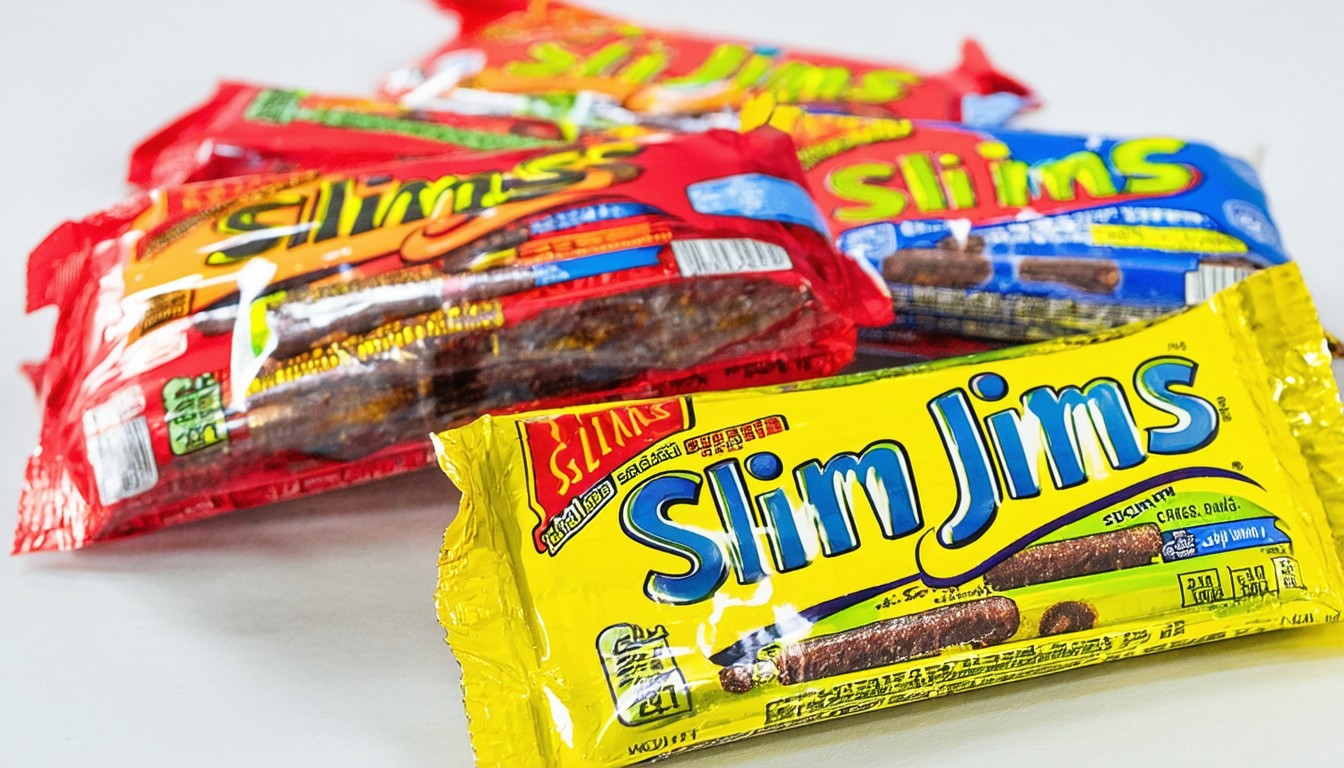

For many pet owners, the urge to share a bite of a favorite snack with a four-legged friend can be hard to resist. Slim Jims—those iconic meat sticks found in gas stations and lunchboxes across America—are a popular treat for people. But can dogs eat Slim Jims safely? Examining the ingredients, health risks, and expert veterinary advice reveals that Slim Jims are far from a harmless indulgence for our canine companions.
What’s in a Slim Jim? Understanding the Ingredients
Slim Jims are marketed as a “meat stick” snack, but their ingredient list reads more like a processed food science experiment than a pure source of protein. Most Slim Jims contain:
- Processed beef, pork, and chicken
- High levels of sodium (salt)
- Spices and preservatives (such as sodium nitrite)
- Sugar and corn syrup
- Artificial flavors, colorings, and sometimes MSG
For example, a single standard-size Slim Jim stick (about 28 grams) often contains more than 400 mg of sodium—about 20% of a human’s daily recommended intake. For dogs, whose sodium needs are vastly lower, this is a concerning amount.
Preservatives and Additives: Not Meant for Dogs
Additives like sodium nitrite help preserve the meat and keep its color stabilized. However, studies in animal models have linked high levels of sodium nitrite to certain health risks, including gastrointestinal distress and potential toxicity. While dogs have different digestive systems than humans, many veterinarians recommend against giving them any processed meats containing such chemicals.
“Many dog owners don’t realize how much salt and how many chemical additives go into snacks like Slim Jims. Even one stick can represent a dangerous sodium load for smaller dogs,” warns Dr. Melissa Hartline, DVM.
Health Risks of Feeding Slim Jims to Dogs
The main dangers posed by Slim Jims aren’t just theoretical. Vets and animal health experts regularly cite specific reasons these snacks shouldn’t be shared with pets.
Excessive Salt: The Silent Threat
Dogs’ bodies are not equipped to handle large amounts of salt. An occasional tiny piece is unlikely to cause harm in most cases, but high-salt foods can easily push a dog over their safe limit, especially smaller breeds. Potential outcomes of sodium overload include:
- Vomiting and diarrhea
- Lethargy and weakness
- Increased thirst and urination
- Severe cases: tremors, seizures, or even life-threatening salt poisoning
Fat Content and Pancreatitis
Beyond salt, Slim Jims are high in saturated fat, which is problematic for dogs. High-fat treats can trigger pancreatitis—an inflammation of the pancreas—in dogs, especially those prone to digestive issues. Pancreatitis can cause severe abdominal pain, vomiting, dehydration, and requires immediate veterinary care.
Seasonings and Spices: The Extra Risk
Many processed meat snacks, including Slim Jims, contain garlic powder, onion powder, and other spices. Even in small amounts, these can be toxic to dogs, damaging their red blood cells and potentially leading to life-threatening anemia.
Artificial Flavors and MSG
Artificial flavor enhancers and additives aren’t fully understood in canine health. While not all are proven toxic, these ingredients add no nutritional value and may cause stomach upset or food sensitivities in some dogs.
Real-World Scenarios: What Happens if a Dog Eats a Slim Jim?
Accidental snacking happens—dogs are notorious for raiding bags or catching dropped food. If a dog consumes a small piece of Slim Jim, most likely outcomes range from mild digestive upset to increased thirst, especially in larger or healthy adult dogs. However, multiple sticks, or any amount in toy breeds or sensitive animals, can lead to more dangerous symptoms such as vomiting, diarrhea, or even neurologic signs from salt toxicity.
Anecdotal reports from pet owners on social media and online forums often express regret after dogs experience stomach upset following a Slim Jim “treat.” While some dogs recover quickly, others require a veterinarian’s intervention. The common thread across these stories: it’s not worth the risk.
Expert Recommendations and Safer Alternatives
Veterinarians and pet nutritionists overwhelmingly discourage feeding Slim Jims to dogs. Instead, they emphasize the importance of species-appropriate treats that support, rather than threaten, a dog’s health.
Healthier Meat-Based Dog Treats
- Single-ingredient treats: Freeze-dried chicken, pure beef jerky (no spices), or dehydrated fish
- Commercial dog treats: Look for reputable brands with no added salt, sugar, or artificial flavors
- Homemade treats: Boiled eggs or plain-cooked, unseasoned chicken breast
These options provide protein without the dangerous additives or high salt content found in human snacks.
Key Takeaway from the Veterinary Community
“Processed meat snacks like Slim Jims deliver more risk than reward for dogs. Fresh, minimally processed foods are always the safest bet for your pet,” summarizes registered veterinary nutritionist Dr. Laura Whittington.
Emergency Guidelines: What to Do if Your Dog Eats a Slim Jim
Despite the best intentions, dogs can be crafty scavengers. If you catch your pet snacking on a Slim Jim:
- Determine the amount consumed: For large breeds eating a fraction of a stick, risk is generally lower. Small breeds or multiple sticks increase the danger.
- Monitor for symptoms: Watch closely for signs of salt poisoning (vomiting, diarrhea, tremors), lethargy, or excessive thirst.
- Contact your veterinarian: When in doubt, check in with your vet, especially for puppies, elderly dogs, or dogs with pre-existing health conditions.
- Never try to induce vomiting without consulting a professional: Certain ingredients can cause more harm coming back up.
The Bottom Line: Not Worth the Risk
Sharing snacks with our pets is a bonding ritual, but Slim Jims—and most processed meat snacks—pose significant and unnecessary dangers for dogs. While an accidental nibble isn’t always a crisis, regularly giving these foods can create real health problems over time. Safety-conscious pet owners stick to treats designed for canine consumption, giving peace of mind and protecting their dogs’ health for the long term.
FAQs
Can a small piece of Slim Jim hurt my dog?
A single small bite is unlikely to cause serious harm to most dogs, but even small amounts deliver a high dose of salt and additives. For tiny breeds or dogs with health issues, avoid giving any Slim Jim pieces at all.
What should I do if my dog ate a whole Slim Jim?
Monitor your dog for symptoms such as vomiting, diarrhea, or lethargy, and provide access to fresh water. If you notice severe symptoms or your dog is very small or medically fragile, contact your veterinarian immediately.
Are there any safe human snacks dogs can eat?
Plain, cooked meats with no added seasonings—such as boiled chicken or turkey—are generally safe for dogs in moderation. Always avoid giving dogs salty, spicy, or heavily processed foods.
Why is sodium so dangerous for dogs?
Dogs have a much lower tolerance for salt than humans. Too much sodium can disrupt their electrolyte balance, causing dehydration, vomiting, tremors, or even dangerous neurological symptoms.
What dog treats are best instead of Slim Jims?
Single-ingredient treats like freeze-dried chicken, plain jerky designed for dogs, or commercial treats with no artificial flavors or added salt offer tasty, safer alternatives. Always choose treats specifically formulated and labeled for canine health.