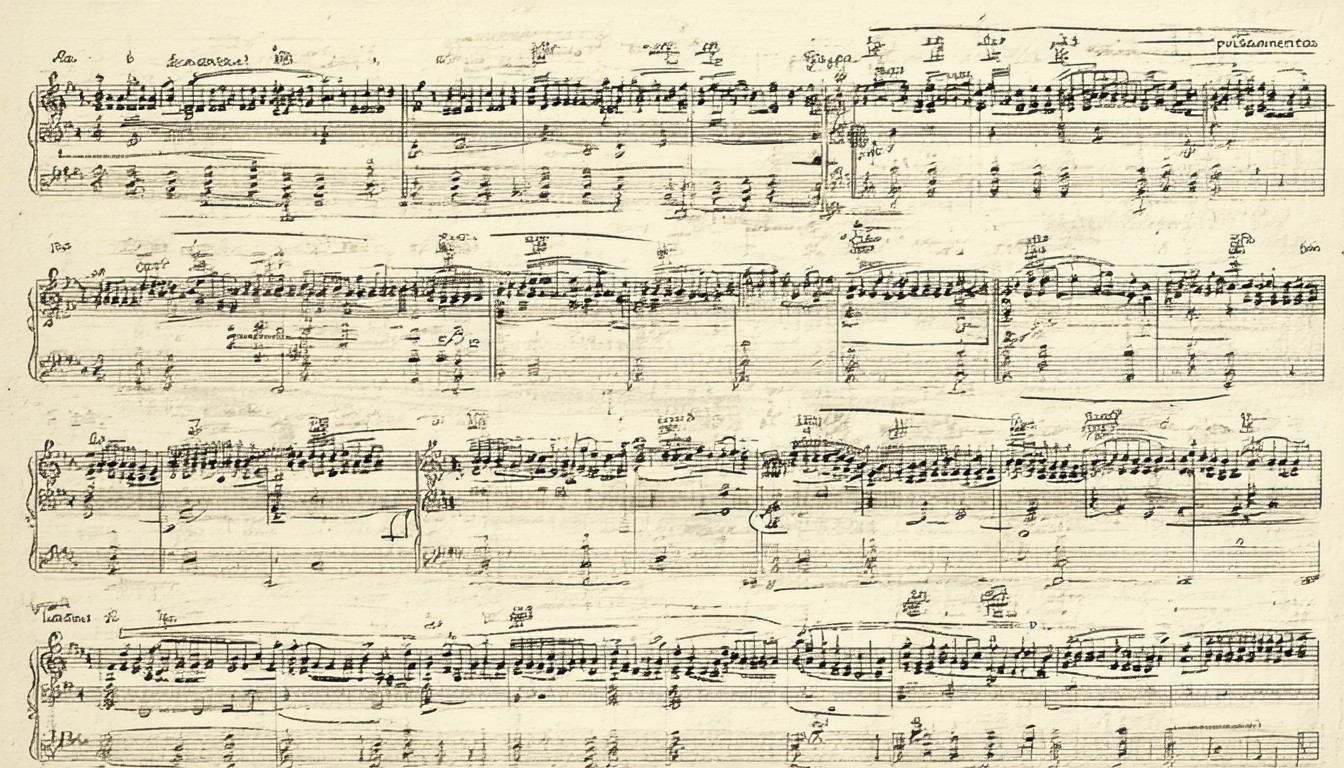

“Pulsamento” may be an unfamiliar term to some, but its fundamental role in music cannot be overstated. At its core, pulsamento is the consistent, underlying pulse or beat that guides both performers and listeners through a piece of music. This pulse forms the backbone around which rhythm, tempo, and expression coalesce, making it a guiding force not only for professional musicians but also for students and enthusiasts seeking to deepen their musical understanding.
While “pulsamento” literally translates to “pulsation” in English, its implications in the context of music go far beyond a simple ticking beat. Pulsamento is the heartbeat of musical phrases, serving as the invisible thread that ties together individual notes, motifs, and movements. Whether standing unobtrusively in the background of a Bach fugue or driving the energy of contemporary pop, the concept of pulsamento remains at the center of musical experience.
The Anatomy of Pulsamento: Foundations and Characteristics
Understanding pulsamento begins with distinguishing it from related concepts like rhythm, meter, and tempo. Pulsamento is not the same as rhythm—which refers to the specific arrangement of notes and rests in time—nor is it wholly defined by tempo (the speed of the music) or meter (the organization of beats into measures). Instead, pulsamento is the sensation of a regular, recurring beat that underlies all rhythmic activities.
Distinctive Features of Pulsamento
- Steady Regularity: Pulsamento is characterized by a perceptible, steady pulse, regardless of the musical genre or cultural context.
- Universality: All forms of organized music—folk, classical, jazz, or electronic—employ some form of pulsamento, although its manifestation may vary.
- Intuition and Perception: Even without a metronome, most listeners can instinctively tap their foot or nod their head to the pulsamento within a song.
Real-World Examples
The audience clapping in sync at a live concert or dancers maintaining tempo on a club floor both illustrate pulsamento at work. In educational settings, teachers often start with pulse exercises, asking students to internalize and reproduce the basic beat before attempting more complex rhythms.
“Pulsamento is the silent conductor of music. It’s the unseen force that synchronizes performers and binds listeners, reminding us that even in complexity, there is unity,” explains Dr. Helio de Sá, music pedagogue and rhythm specialist.
The Importance of Pulsamento in Musical Performance and Pedagogy
Beyond simply keeping time, pulsamento has deeper consequences for both the performance of music and its appreciation on a cognitive level.
Foundation for Technical Mastery
Skilled musicians rely on an internalized sense of pulsamento to execute accurate rhythms, phrasing, and expressivity. Without this shared pulse, ensembles risk falling out of sync, and individual players may struggle to maintain coherence across passages or improvisations.
- Ensemble Coordination: In orchestras and bands, a collective sense of pulsamento is even more critical than individual skill. The conductor serves as both a literal and figurative reference for pulsamento, shaping nuance, breath, and movement.
- Improvisation and Jazz: In jazz, where freedom and spontaneity reign, pulsamento offers a vital anchor. The rhythm section—most notably the drummer—provides the group with a continuous pulse, freeing soloists to explore syncopation and flexibility without losing the underlying time.
Cognitive and Developmental Benefits
Educational studies have found that early mastery of pulse and timing can support broader musical development. Research in music cognition has demonstrated that children who internalize pulsamento early often display enhanced skills in reading music and interpreting rhythmic notation.
Pulsamento Across Musical Genres and Cultures
The influence of pulsamento persists across genres, sometimes overt, sometimes subtle.
Classical and Contemporary Music
In classical traditions, pulsamento forms the grid upon which rhythmic patterns are laid. For instance, in a Mozart piano sonata, the performer must balance expressive rubato with an unwavering sense of underlying pulse. In contemporary popular music, the prominence of electronic beats simplifies the task: drum machines and sequences provide a literal pulsamento that shapes the groove.
Non-Western and Folk Traditions
African drumming ensembles, Indian classical music, and Brazilian samba all approach pulsamento in unique ways. African talking drums, for example, convey storytelling through nuanced, cyclical pulsations. In Brazilian music, pulsamento is intertwined with dance, creating a feedback loop between movement and sound.
Digital Transformation and Modern Trends
Technology has augmented our awareness and manipulation of pulsamento. Digital Audio Workstations (DAWs) let producers visually edit pulse grids, auto-quantize performances, and experiment with polyrhythms that challenge traditional beat structures. Streaming-era hits often emphasize “four-on-the-floor” pulsamento—where each quarter note is stressed—to maximize danceability.
Practical Applications: How Musicians Develop and Use Pulsamento
Fostering a keen sense of pulsamento is part training, part intuition. Musicians, music educators, and technologists have developed various approaches to cultivate and apply this essential musical skill.
Training and Exercises
- Body Percussion: Clapping, stomping, or tapping on the body reinforces the physical sensation of pulse.
- Metronome Practice: Musicians start slow, gradually increasing the tempo while keeping the pulse unwavering.
- Movement-Based Activities: Marching or dancing along with the beat, frequently used in early education and music therapy.
Ensemble Rehearsal Techniques
- Group Pulse Drills: Bands and orchestras conduct rhythm circles, where members maintain a pulse while layering different rhythms.
- Silent Conducting: Musicians practice internalizing the pulse by performing sections without a conductor or audible cues.
Creative Applications and Flexibility
While a strong sense of pulsamento is foundational, great performers know when to play with the pulse, introducing temporary fluctuations—like rubato—or complex polyrhythms for artistic expression. Still, even in these moments, an internal pulse remains intact, enabling the deliberate stretching and compressing of musical time.
Concluding Thoughts: Pulsamento as the Soul of Music
From children first clapping their hands in time to seasoned artists captivating audiences worldwide, pulsamento is the lifeblood of musical communication. Mastery of pulse not only enhances technical precision but also deepens the emotional resonance of performance. As technology reshapes our musical landscape, the importance of pulsamento endures, bridging tradition with innovation.
Musicians and educators are encouraged to make pulse training a foundational practice, leveraging both conventional and modern tools. Whether through digital apps, group rehearsals, or solo explorations, nurturing a keen sense of pulsamento unlocks new dimensions of musical expression and ensemble synergy.
FAQs
What is “pulsamento” in music?
Pulsamento refers to the steady underlying pulse or beat in music, serving as the invisible guide that keeps rhythms and performers synchronized.
Why is pulsamento important for musicians?
It enables performers to maintain timing, coordinate with ensembles, and interpret complex rhythms accurately, forming the basis of technical and expressive skill.
How do musicians develop a strong sense of pulsamento?
Through exercises like body percussion, metronome work, and movement-based practice, musicians internalize the pulse and integrate it into their playing or singing.
Does pulsamento apply to all musical genres?
Yes, while its expression may vary, all forms of organized music use some type of pulse. Different cultures and genres, from classical to electronic, rely on pulsamento.
Can technology help with pulsamento training?
Absolutely. Tools like metronome apps and DAWs support pulse development, allowing musicians to visualize, edit, and experiment with timing.
Is pulsamento only relevant for performers?
No, even listeners benefit; recognizing pulsamento enhances musical appreciation and engagement, fostering a deeper connection to rhythm and flow.